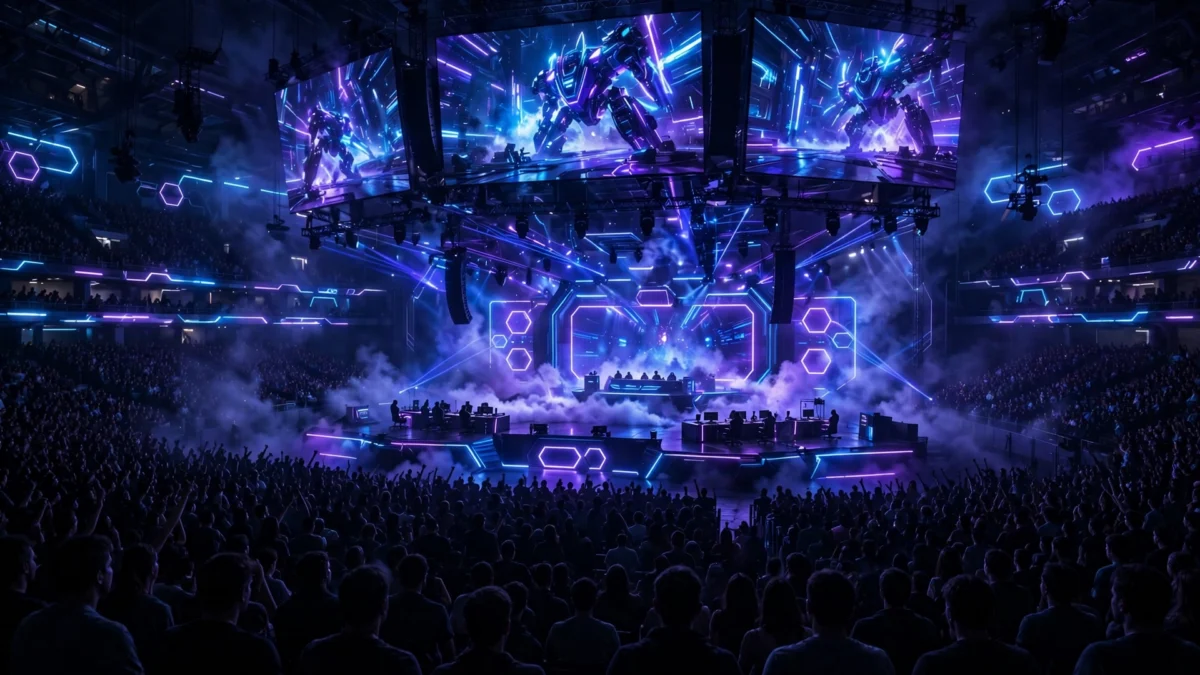
Undergrowthgameline is a community-driven online gaming event platform described by gaming blogs as a place where players join hosted tournaments, seasonal leagues, and casual multiplayer events. It blends competitive brackets with grassroots community play, running time-based events — solo and team formats, tiered skill divisions, and dynamic arenas — designed for gamers who want organized online competition without going through big corporate esports circuits.
What Is Undergrowthgameline?
Undergrowthgameline is a name that has been showing up in gaming blogs and event roundups to describe a style of hosted online gaming events — organized tournaments and community game nights built around digital play rather than physical venues. Unlike a single game title or a formal esports league, the concept centers on the events themselves: scheduled competitions, seasonal ladders, and community sessions that anyone with an internet connection can join.
Gaming blogs describe Undergrowthgameline as having grassroots origins — small community organizers and indie-game fans putting together events that later grew into larger hosted programs. According to those write-ups, it sits in a middle space between two worlds:
- Casual online play — ranked queues, public lobbies, pick-up games with friends.
- Professional esports — sponsored leagues, salaried teams, broadcast contracts, franchise slots.
Undergrowthgameline-style events take the structure of the second (brackets, rules, scheduled matches, standings) and pair it with the openness of the first (low entry barriers, community atmosphere, indie-game promotion). That combination is what its coverage keeps coming back to.
An important honesty note: there is no single, widely verifiable “official” Undergrowthgameline organizer site or company page that we could confirm. Most of what is published about it comes from gaming blogs and event roundups rather than primary sources. Everything below is framed accordingly — where claims come from third-party blogs, we say so, and where you should verify before joining, we say that too. That caution is not a criticism; it is the right default for any event platform you sign up for with your time, your data, or your money.
How Hosted Events Work
The core unit of Undergrowthgameline is the hosted event: a scheduled, organized gaming session with a defined start time, a ruleset, a format, and an organizer who runs it. Blogs covering the concept describe the events as a mix of competitive tournaments and community-building sessions, with indie game promotion as a recurring theme.
Anatomy of a hosted event
Most hosted events, as described in the coverage, follow a recognizable pattern:
- Announcement. The organizer posts the event details — the game(s), date and time (with timezone), format, eligibility rules, and how to register. These typically appear on community channels: forums, social media, Discord-style servers, or gaming blog listings.
- Registration window. Players sign up, usually individually or as a pre-made team. Registration may close at a cap (for example, 32, 64, or 128 slots) or at a cutoff time.
- Check-in. Shortly before the start, registered players confirm they are present. No-shows get replaced from a standby list.
- The event itself. Matches run on a schedule set by the organizer — sometimes single matches across a weekend, sometimes concentrated multi-hour sessions.
- Results and standings. Winners are recorded, seasonal points (where used) are updated, and highlights or replays may be shared with the community.
Hybrid physical and digital elements
One recurring theme in the coverage is the hybrid nature of these events. While the competition itself is digital — played online from players’ own setups — blogs describe community layers around it: watch parties, livestreamed finals, commentary, and post-event discussions. This hybrid character is part of the appeal: the competitive convenience of online play plus the social texture of an in-person community event.
Tournament Structure and Formats
The most detailed coverage of Undergrowthgameline focuses on its tournament structure, which blogs describe as seasonal, tiered, and format-flexible. Here is how those descriptions break down.
Seasonal structure
One gaming blog describes events running in seasonal cycles of roughly three months, with standings that reset between seasons. A season typically has:
| Phase | What happens | Typical timing |
|---|---|---|
| Open qualifiers | Anyone can enter; players get seeded into skill tiers | Weeks 1–2 of a season |
| Regular events | Scheduled tournaments and ladder matches; points accumulate | Weeks 3–10 |
| Playoffs | Top performers in each tier compete in elimination brackets | Weeks 11–12 |
| Off-season break | Standings freeze; community casual events keep running | 1–2 weeks |
Skill tiers
Coverage describes a tiered division system — from beginner-friendly divisions up to elite levels — so new players are not thrown in against seasoned competitors. Tiering is usually based on match history and self-assessed skill during registration, with promotion and relegation between tiers across seasons. This is one of the features that separates hosted community events from open-bracket tournaments, where a first-timer can draw a semi-professional opponent in round one.
Solo and team formats
Blogs describe two main participation formats, summarized here:
| Format | How it works | Best for |
|---|---|---|
| Solo | Individual players queue into matches or brackets and are ranked on personal performance | Players without a regular team; those who want flexible scheduling |
| Team | Pre-made squads of players register together and compete as a unit across the season | Established groups, friend circles, clans and clubs |
Common tournament formats explained
Hosted events borrow their bracket formats from decades of competitive gaming. Knowing them helps you read an event page and pick events that suit your style:
| Format | How it works | Strengths | Weaknesses |
|---|---|---|---|
| Single elimination | One loss and you are out; bracket halves each round | Fast, simple, dramatic | Unforgiving — one bad match ends your run |
| Double elimination | Players drop to a losers’ bracket after one loss; eliminated after two | Fairer; one bad day does not end you | Takes longer; complex scheduling |
| Round robin | Everyone plays everyone; standings decide winners | Maximum playtime; true skill ranking | Slow; impractical beyond small groups |
| Swiss system | Fixed number of rounds; each round pairs players with similar records | Balanced matches all event long; no early elimination | Needs careful pairing management |
| Ladder | Challenge players ranked near you; win to climb | Flexible timing; runs over weeks | Can stall if top players avoid challenges |
Community events lean toward Swiss and double elimination because they keep more players in the competition longer — which keeps the community engaged. If an event uses single elimination for a large open field, treat it as a fast, casual experience rather than a serious skill test.
Matchmaking and arenas
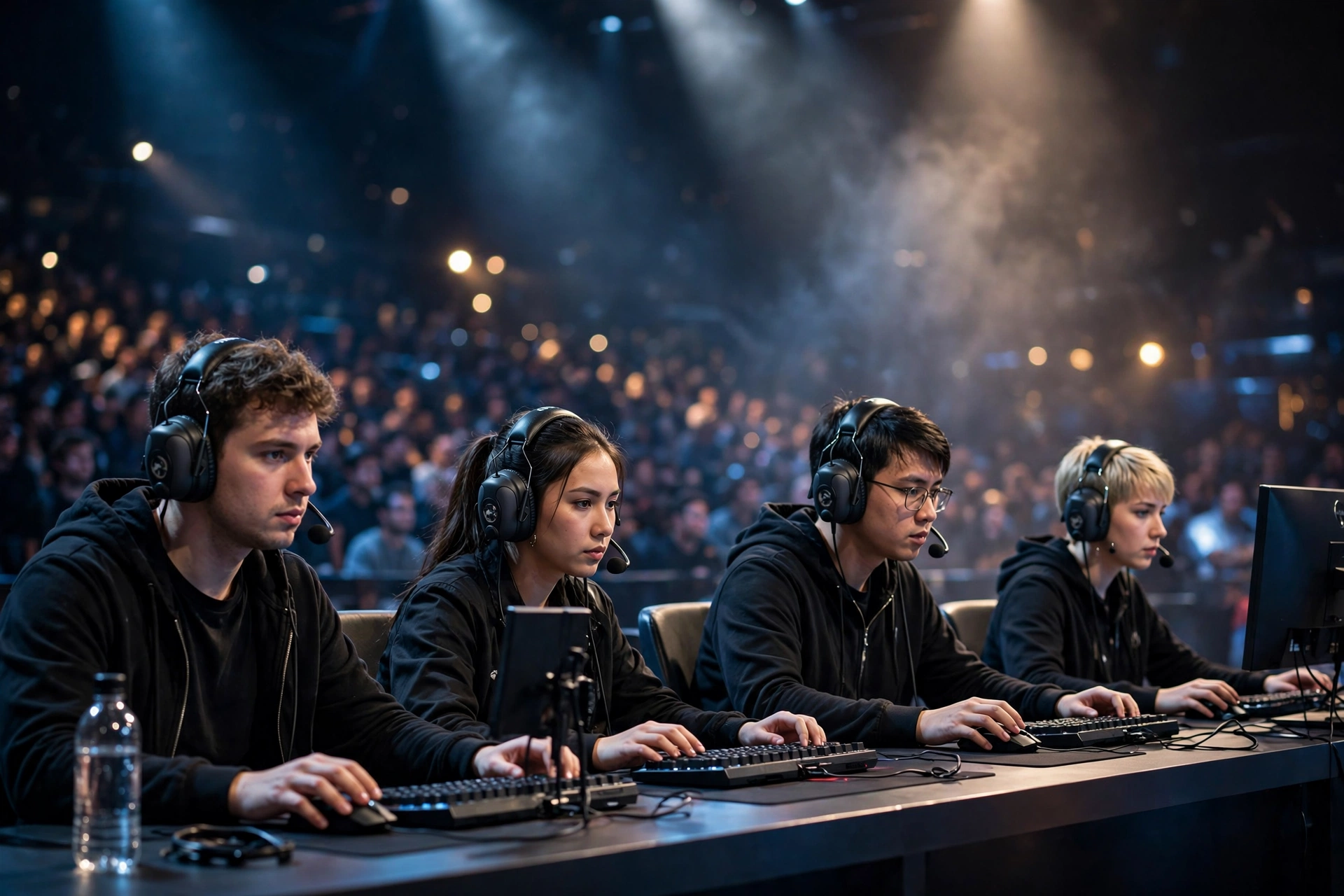
According to the coverage, hosted events use skill-based matchmaking — pairing players not just on win rate but also on play style — and dynamic arenas, meaning match environments or rule variations rotate between rounds so players cannot rely on a single memorized setup. Whether any given event actually implements all of this is something to check on that event’s own page before registering; blog descriptions often aggregate the most polished version of an event format rather than the average one.
Key Features of Undergrowthgameline
Across the blogs that cover it, a consistent list of advertised features emerges. Treat this list as “what the concept promises” and verify each point against the specific event you are considering:
- Community-first design. Events are framed around community building as much as winning — newcomer-friendly lobbies, mentorship-style tiers, and social events alongside brackets.
- Indie game promotion. Several write-ups highlight that hosted events give visibility to independent games that would never get a slot in a mainstream esports league. If you play niche or indie titles, this is the angle most likely to appeal to you.
- Fairness systems. Organized scheduling, tiered brackets, check-in procedures, and stated anti-cheating rules are all presented as fairness measures — the differentiator versus freeform public play.
- Low entry barriers. No buy-in mentioned in the coverage; registration is described as straightforward, with events designed to be joinable from home on standard hardware.
- Scheduled time-based events. The calendar-driven structure means you know exactly when matches happen, unlike drop-in lobbies that depend on who shows up.
- Streamed and spectated finals. Some events broadcast their final rounds, which feeds back into community growth and gives players a taste of the esports atmosphere.

How to Participate in Undergrowthgameline Events
Because there is no single official portal we can point you to, here is a generic, honest participation path that works for Undergrowthgameline-style events and for any community gaming event. It assumes you verify everything on the event’s own channels:
- Find event announcements. Search for the event name plus the current season or month on Google, and check gaming-community channels where organizers post: forums, social media, and community servers. Cross-check the same event on at least two sources before trusting dates.
- Check the requirements. Read the event page carefully: the game title and version, platform (PC, console, mobile), region and ping limits, age requirements, team size, and any required software such as anti-cheat tools or voice-chat apps.
- Register before the cutoff. Sign up through the organizer’s stated registration method — a form, a bot command, or an event platform page. Save confirmation screenshots; free community events sometimes lose registrations to spreadsheet errors.
- Prepare your setup. Update the game, test your connection, and do a practice session with the event’s ruleset. If the event uses custom settings, arenas, or mods, install them at least a day early.
- Check in on event day. Confirm your attendance during the check-in window the organizer sets. Late check-ins are the most common reason players lose their slots.
- Play, record, report. Play your scheduled matches, take screenshots of results, and report scores exactly as instructed. Disputes are resolved much faster when you have evidence.
- Follow up after the event. Check the published standings for errors, save any replays or highlights you want, and give the organizer brief feedback if they ask for it. If you enjoyed it, note when the next season or event starts — regulars often get early registration or loyalty seeding.
If at any point the event asks for payment, personal documents, or account credentials, pause and run through the safety section below before continuing.
Undergrowthgameline vs Traditional Esports
Here is how the hosted-event model compares with the traditional esports circuit, based on the features described in the coverage:
| Dimension | Undergrowthgameline-style hosted events | Traditional esports leagues |
|---|---|---|
| Organization | Community organizers, grassroots and indie-friendly | Publishers, franchised organizations, sponsors |
| Entry barrier | Low — open registration, tiered for skill | High — qualifiers, tryouts, contracts, franchise slots |
| Game selection | Broad, including indie and community games | Curated by publishers and sponsors (top-selling titles) |
| Schedule | Seasonal cycles (~3 months per coverage), check-in windows | Year-round league calendars with fixed match days |
| Prizes | Varies by event; often modest or community-funded | Large prize pools, salaries, sponsorship deals |
| Path to pro | Informal — visibility and networking | Formal — academies, contracts, agents |
| Community role | Central: casual events, watch parties, mentorship | Secondary: fan engagement around pro competition |
| Verification level | Mixed — research each organizer independently | High — publishers and known brands back them |
The honest takeaway: if your goal is a professional gaming career, traditional esports is the structured path. If your goal is organized, fun, competitive play with a community — especially around games the big leagues ignore — the hosted-event model is built for that.
Pros and Cons
| Pros | Cons |
|---|---|
| Open registration with skill tiers protects beginners from being crushed early | No single verified official organizer — you must vet each event yourself |
| Community atmosphere: mentorship, watch parties, casual side events | Prize pools and funding vary; some events offer little beyond bragging rights |
| Gives indie and niche games a competitive stage | Scheduling can be inconvenient across time zones |
| Seasonal structure keeps play fresh and gives regular reset points | Anti-cheat enforcement depends on the organizer and is rarely as robust as pro leagues |
| Low cost of entry — join from home on your own setup | Blog descriptions may present the polished ideal, not the average event experience |
Safety Tips for Joining Online Gaming Events
Any online event where you register, chat with strangers, and possibly share payment details deserves basic precautions. Apply these before every event, not just Undergrowthgameline-style ones:
- Verify the organizer. Search the organizer’s name and event name plus words like “scam” or “review.” Look for a track record of completed past events, real social-media history, and community discussion — not just a slick registration page.
- Never share passwords. Legitimate events never need your game account password, email password, or two-factor codes. Registration should use a form or event platform — not a request for your credentials.
- Use a dedicated email address. Create a separate email for event registrations so your primary inbox stays clean if a community database leaks.
- Protect payment info. If an event charges an entry fee, pay only through recognized payment processors with buyer protection, and be suspicious of requests for direct bank transfers, gift cards, or cryptocurrency.
- Guard personal data. Do not share your full name, address, phone number, or ID documents in public event channels. Share only what the rules genuinely require, and only through the organizer’s official channels.
- Keep evidence. Screenshot your registration confirmation, match schedules, rules, and results. Disputes in community events are almost always decided by whoever has records.
- Watch for red flags. Demands for money after free registration, rules that change mid-event without notice, organizers who refuse written communication, and pressure tactics (“register in the next hour or lose your spot”) are all warning signs.
Who Undergrowthgameline Is For
The hosted-event model fits best if you are:
- A casual-to-intermediate gamer who wants organized competition without the pressure of pro circuits.
- An indie game player looking for events built around games the mainstream leagues ignore.
- A team leader or community organizer exploring formats you could run yourself.
- A player who enjoys the social side of gaming — watch parties, community chats, seasonal storylines.
It fits less well if you want a formal path into professional gaming, guaranteed prize money, or the production quality of publisher-run leagues. Be honest with yourself about which of those you actually want before committing your evenings.
What to Verify Before You Trust an Event Page
Gaming blogs describe Undergrowthgameline in glowing terms — grassroots origins, tiered tournaments, thriving community. Some of that is real, and some of it may be the polished version. Before you invest time in any hosted event, run these checks yourself:
- Look for a track record. Real organizers have history: past event pages, dated results posts, social-media accounts older than a few weeks, and community members talking about previous seasons. An event with no history asking for your time or money is a gamble.
- Distrust impressive statistics you cannot trace. Player counts, “thousands of participants,” and growth claims mean nothing without a source. If a page claims numbers, look for the bracket pages, standings, or stream archives that would back them up.
- Check how the page talks about itself. Words like “official,” “the leading,” or “the biggest” are marketing, not evidence. Cross-check the event name on two or three independent sources — search results, forums, community chats — before treating its claims as facts.
- Confirm the dates are current. Gaming blogs recycle event roundups. An announcement from six months ago may describe a season that already ended. Always confirm the date, timezone, and registration deadline on the organizer’s own current channel.
- Reverse-check the graphics. If an event page uses slick promotional images, a quick reverse image search tells you whether they are original or stock art reused across unrelated pages. Stock art is not proof of a scam, but original event photos from past editions are much stronger proof of legitimacy.
This is the same diligence you would apply to any online community event — the less verifiable the organizer, the more of it you should do.
Frequently Asked Questions
What is Undergrowthgameline in simple terms?
It is a concept for community-hosted online gaming events — scheduled tournaments, seasonal leagues, and casual multiplayer sessions organized around digital play. Gaming blogs describe it as blending competitive structure (brackets, tiers, standings) with a grassroots, community-first atmosphere.
Is Undergrowthgameline free to join?
The coverage describes events with low entry barriers and no buy-in mentioned. That said, each event sets its own rules — always read the event’s own page for any entry fee or costs before registering, and never pay through unprotected methods.
How do I join an Undergrowthgameline event?
Find event announcements on gaming-community channels, check the requirements (game, platform, region, age), register through the organizer’s stated method before the cutoff, prepare your setup, and check in on event day. Keep confirmation screenshots.
What games are played in these events?
Blogs highlight a broad selection including indie and community games, alongside more popular titles. The exact games depend entirely on the individual event and its organizer — check the event announcement for the title list.
How long does a season last?
One gaming blog describes seasons of roughly three months, with open qualifiers, a regular event stretch, playoffs, and a short off-season break. Other events may run on different cadences, so confirm the schedule on the specific event’s page.
Can beginners participate?
Yes — the tiered division system described in the coverage is designed exactly for this, placing new players in beginner-friendly divisions rather than against experienced competitors. Registration and check-in procedures are part of keeping events fair.
Is Undergrowthgameline an official esports organization?
Not as far as we could verify. There is no widely confirmable official organizer site or company behind the name; most coverage comes from gaming blogs and event roundups. Treat each event as independent and vet its organizer before joining.
How is it different from regular esports?
Traditional esports leagues are publisher-run, with high entry barriers, large prize pools, and formal paths to pro play. Undergrowthgameline-style hosted events are community-run, easier to enter, centered on social play and indie games, but with smaller prizes and less formal anti-cheat infrastructure.
Related Articles
If you found this guide useful, these related articles cover other topics in our technology and how-to sections: